

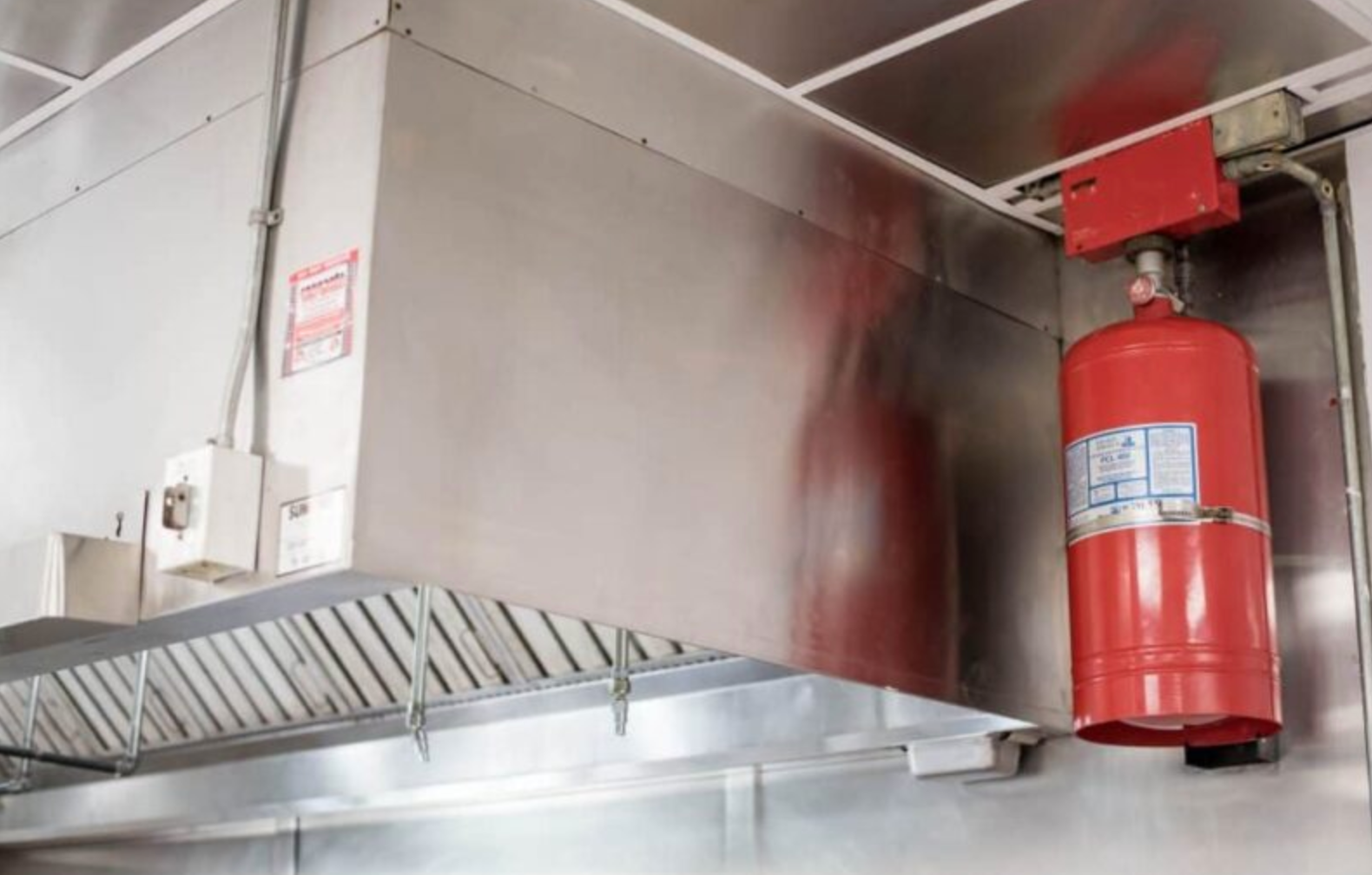
Commercial kitchens are bustling environments that pose unique fire hazards due to the presence of flammable materials, high temperatures, and cooking appliances. To protect the safety of personnel, customers, and property, it is crucial to implement effective fire suppression systems specifically designed for kitchens. In this guide, we will explore the importance of kitchen fire suppression systems, their key components, and best practices for ensuring kitchen safety.
1. Understanding the Need for Kitchen Fire Suppression Systems:
Commercial kitchens are prone to fires due to the use of flammable liquids, grease, and intense heat generated by cooking equipment. Traditional fire suppression methods like water-based systems are inadequate for kitchen fires, as they can spread oil-based fires and may pose electrical hazards. Kitchen fire suppression systems address these challenges with specialized fire suppression agents and targeted design features.
2. Key Components of Kitchen Fire Suppression Systems:
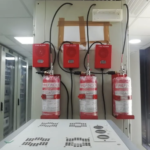
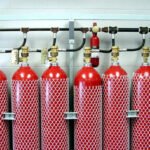
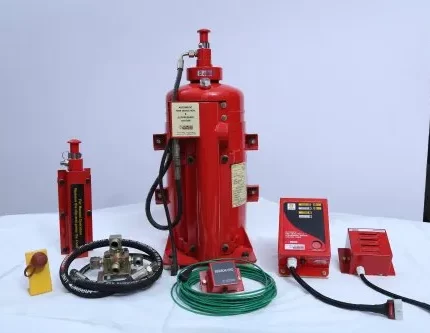
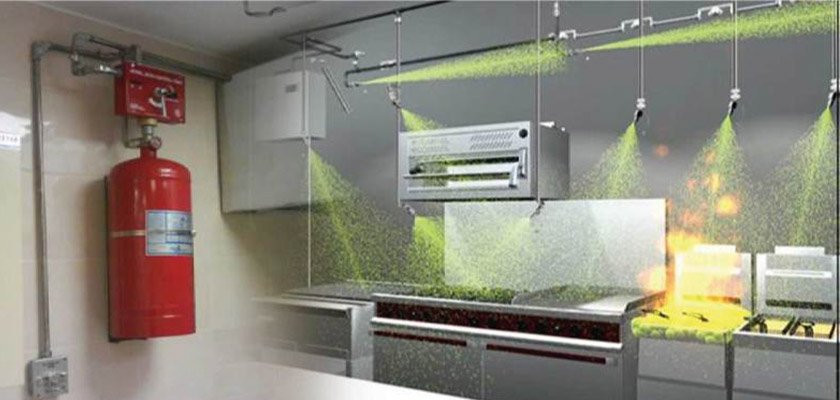
a. Fire Suppression Agent: Wet chemical agents are commonly used in kitchen fire suppression systems. These agents are specifically formulated to cool the flames, prevent re-ignition, and create a foam-like barrier to suffocate the fire.
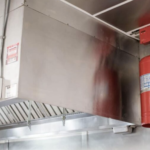
b. Suppression Nozzles: Strategically positioned nozzles disperse the fire suppression agent evenly throughout the kitchen area, targeting high-risk zones such as cooking appliances, hoods, and ducts.
c. Detection System: Heat detectors and flame detectors monitor the kitchen area for signs of fire. When a fire is detected, the system activates automatically, minimizing response time and reducing the risk of fire spreading.
3. How Kitchen Fire Suppression Systems Work:
When a fire is detected, the suppression system immediately releases the fire suppression agent through the nozzles. The agent rapidly cools the fire, forms a foam-like layer to prevent re-ignition, and blankets the fuel source, effectively extinguishing the fire. The system may also incorporate gas or electrical shut-off mechanisms to cut off the fuel or power supply, further enhancing safety.
4. Installation and Maintenance Best Practices:
a. Consulting Fire Protection Experts: Seek professional advice to design and install a kitchen fire suppression system tailored to your specific needs and comply with local fire codes and regulations.
b. Regular Maintenance: Schedule routine maintenance and inspections to ensure the system’s effectiveness. This includes checking the suppression agent’s pressure and condition, testing the detection system, and verifying the functionality of all components.
5. Importance of Training and Emergency Preparedness:
Invest in comprehensive training programs to educate kitchen staff on fire prevention, early detection, and response protocols. Conduct fire drills regularly to familiarize employees with evacuation procedures and the operation of manual activation devices.
Conclusion:
With AV Safety Solutions‘ kitchen fire suppression systems, businesses can prioritize the safety of their commercial kitchens, employees, and customers. By utilizing specialized fire suppression agents, strategically placed nozzles, and advanced detection mechanisms, these systems provide rapid and effective fire suppression, mitigating damage and ensuring the well-being of all individuals present. Adhering to proper installation, regular maintenance, and comprehensive training practices further strengthens kitchen safety, minimizing the risk of fire-related incidents. Trust in AV Safety Solutions for innovative fire suppression systems that deliver peace of mind and optimal protection in commercial kitchen environments.